Fulfillment of Jesus' Prophecy Regarding Persecution Of The Church Prior The AD70 Destruction Of Jerusalem
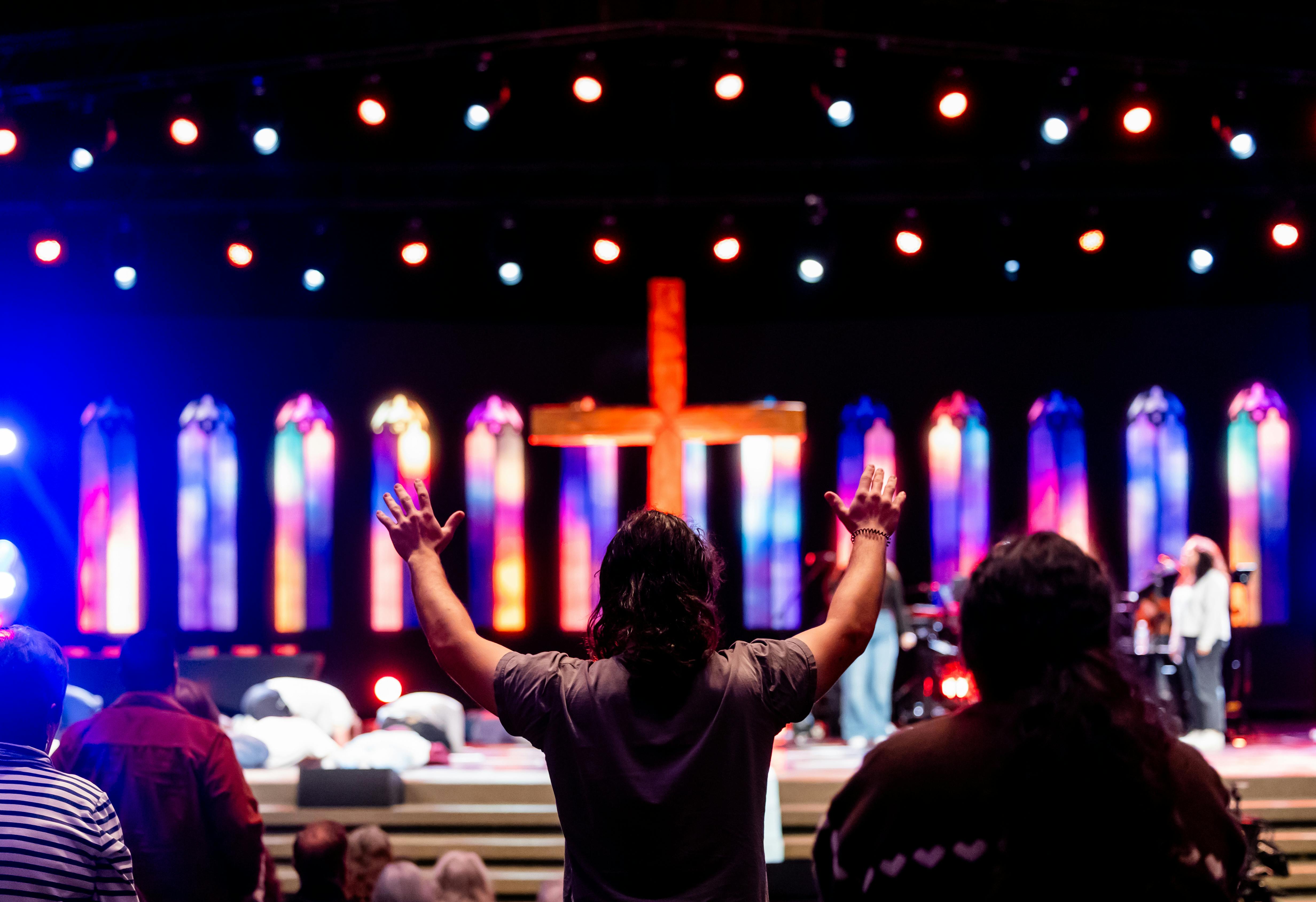
Bible verses in which Jesus prophesied about the persecution of His church
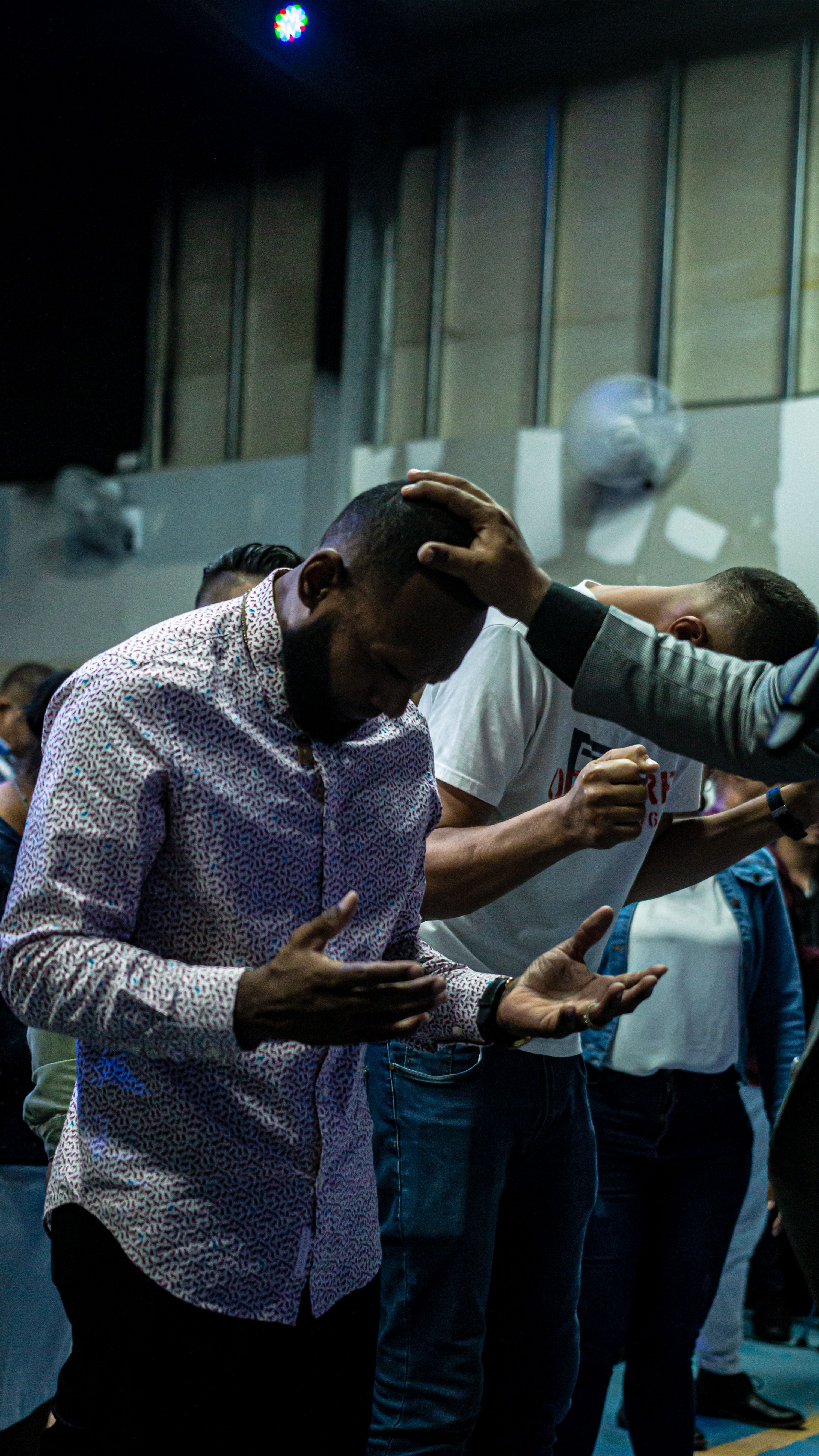
Biblical and historical evidence of the persecution of the church before AD 70
1. Persecution begins in Jerusalem (early 30s AD)
From the very birth of the church, persecution was not an exception—it’s almost the atmosphere.
- Temple authorities vs. the apostles (c. AD 30–33)Acts 4–5 shows Peter and John arrested, threatened, and beaten by the Jewish council (Sanhedrin) for preaching Jesus in the temple. This is probably within a year or two of the Day of Pentecost (often dated around AD 30).
- The martyrdom of Stephen and the first great scattering (c. AD 33–35)In Acts 7–8, Stephen is stoned after his speech before the council, and “a great persecution” breaks out against the church in Jerusalem. Believers are scattered through Judea and Samaria, while Saul (Paul) “makes havoc of the church.”
This is the first organized persecution of Christians we see, and it is Jewish leadership–driven, not Roman.
- Paul’s wrote that he persecuted the church (30s AD)In Galatians 1:13 and Philippians 3:6, Paul looked back and says he “persecuted the church of God.”In 1 Thessalonians 2:14–16, written around AD 50–51, he reminds the Thessalonian believers that the churches in Judea had already suffered from “their own countrymen,” just as the Thessalonians were suffering from theirs. This shows persecution was ongoing in Judea well before AD 70:
1Th 2:14For ye, brethren, became followers of the churches of God which in Judaea are in Christ Jesus: for ye also have suffered like things of your own countrymen, even as they have of the Jews:1Th 2:15Who both killed the Lord Jesus, and their own prophets, and have persecuted us; and they please not God, and are contrary to all men:1Th 2:16Forbidding us to speak to the Gentiles that they might be saved, to fill up their sins alway: for the wrath is come upon them to the uttermost.
2. Persecution of the church by Herod persecution and the death of James (40s–60s AD)
Herod Agrippa I and the apostles (c. AD 42–44)
- Acts 12 records that Herod Agrippa I “killed James the brother of John with the sword” and imprisoned Peter.
- Josephus dates Agrippa’s death to AD 44, which helps us anchor this persecution in the early 40s. ecclesiasticalhistory.org
So by the mid‑40s, we have:
- One apostle executed (James the son of Zebedee)
- Another (Peter) miraculously delivered from prison
- A clear pattern: local rulers in Judea are willing to use lethal force against Christian leaders.
The martyrdom of James the Lord’s brother (c. AD 62)
Josephus gives us a very important notice about James, the brother of Jesus:
- In Antiquities 20.9.1, he reports that the high priest Ananus convened a council and had “James, the brother of Jesus who was called Christ” and others stoned as lawbreakers, during a brief gap in Roman oversight after the death of the procurator Festus (around AD 62).
- This is not in Wars but in Antiquities, yet it’s the same historian you linked. Josephus’ dating of this event to the interregnum between Festus and Albinus places it firmly in the early 60s.
Early church historian Eusebius later quotes this passage and adds Christian tradition that James was a pillar of the Jerusalem church and died as a martyr (Ecclesiastical History 2.23).
So, by about eight years before AD 70, the leader of the Jerusalem church has been killed by a Jewish high priest using the machinery of the Sanhedrin.
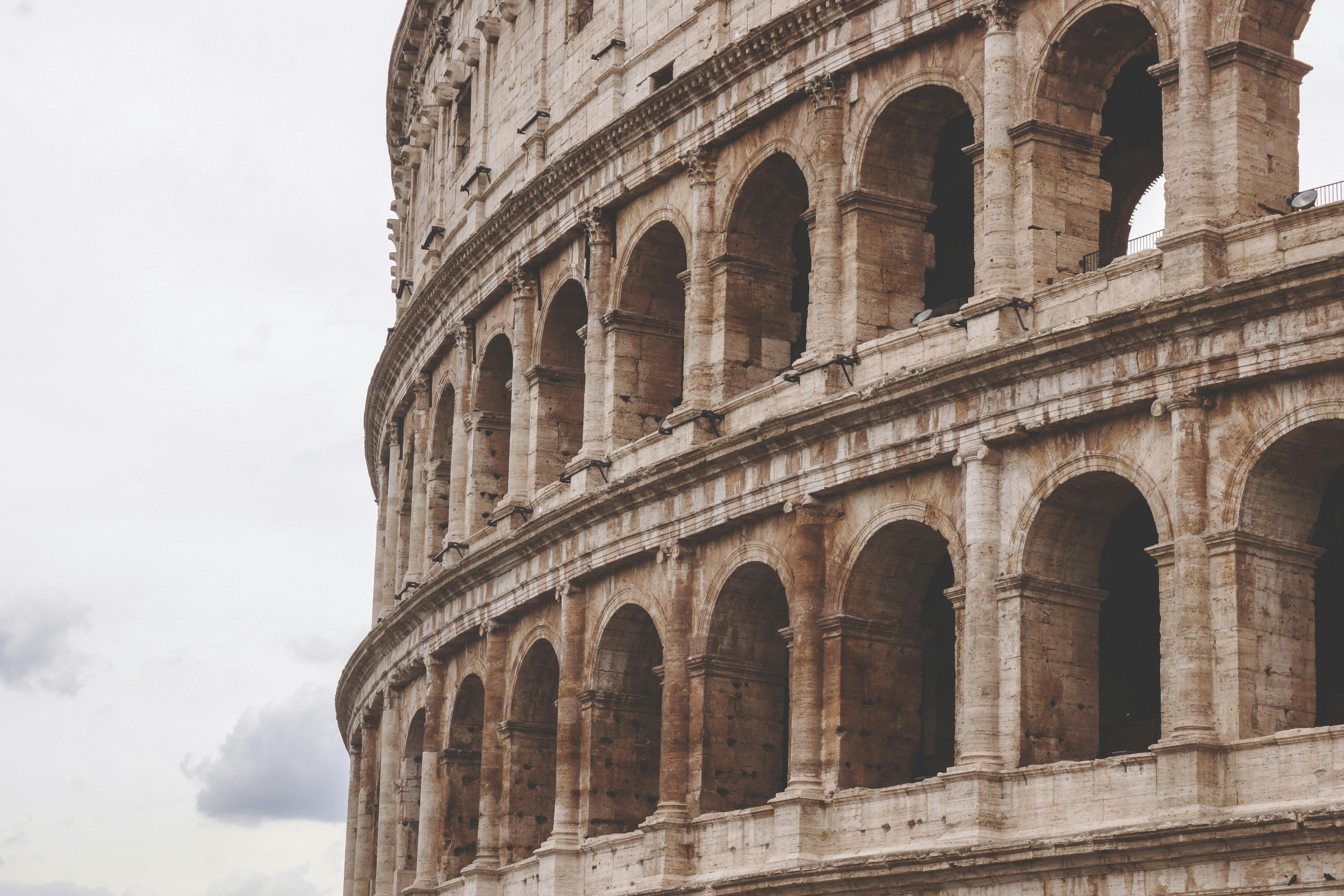
Ancient Colosseum arches in Rome,
3. The wider Roman world and Nero’s persecution (AD 64)
The Great Fire of Rome and Nero (AD 64)
The first clearly documented Roman persecution of Christians comes not in Judea, but in Rome itself.
- The Roman historian Tacitus, writing in the early second century, describes the Great Fire of Rome in July AD 64 and Nero’s attempt to shift blame onto the Christians (Annals 15.44). Livius earlychurchtexts.com
- Tacitus says Nero inflicted “the most exquisite tortures” on a “vast multitude” of Christians.
This is crucial for the AD 70 focus:
- The Neronian persecution happens about six years before the destruction of Jerusalem.
- It shows that by the 60s, Christianity is visible enough in Rome to be a convenient scapegoat.
- It also confirms that Roman persecution, at this stage, is still local and episodic, not yet a universal empire‑wide policy.
A modern historical survey of the apostolic age places the Neronian persecution at AD 64, linking it with the likely martyrdoms of Peter and Paul in Rome. ecclesiasticalhistory.org
Local and social persecution across the empire (40s–60s)
Even before Nero, Christians were facing:
- Mob violence and local hostility (e.g., Acts 13–19: Pisidian Antioch, Iconium, Lystra, Philippi, Thessalonica, Ephesus).
- Accusations of disloyalty, atheism, and social disruption—themes that later Roman writers and modern historians see as key motives for persecution. Oxford Academic
So, in the decades leading up to AD 70, persecution is:
- Jewish‑led in Judea and surrounding regions
- Mixed Jewish and Gentile hostility in the provinces
- Imperial and spectacular in Rome under Nero
4. Early Christian writers looking back on this period
Later Christian writers, especially from the late first and early second centuries, look back on this pre‑70 period as a time of suffering and witness.
1 Clement (c. AD 95)
- 1 Clement 5–6, written from Rome to Corinth, recalls the “sudden and repeated calamities and reverses” that had happened to the church, and specifically mentions Peter and Paul as examples of faithful suffering and martyrdom.
- The letter is usually dated to around AD 95, but it looks back to events in the 60s, including the Neronian persecution.
Eusebius (early 4th century, preserving earlier traditions)
In Ecclesiastical History 2.25, Eusebius:
- Attributes the first imperial persecution to Nero,
- Connects it with the martyrdoms of Peter and Paul,
- And treats it as the beginning of a pattern of Roman hostility that would continue in later centuries.
While Eusebius wrote much later, he drew on earlier sources and traditions, some of which we can cross‑check with Tacitus and 1 Clement.

5. Josephus as a background witness to the storm (30s–70)
Josephus does not give us a narrative of Christian persecution, but he is invaluable for the political and social background in which the church suffered.
Turmoil in Judea
In the Preface to The Wars of the Jews, Josephus describes:
- The Jewish–Roman war as “the greatest of all” wars,
- The internal seditions, tyrants, and robbers within Judea,
- And the unparalleled calamities that befell the Jewish nation leading up to and including the destruction of Jerusalem. gutenberg.org
This matters because:
- The Jerusalem church lived inside this pressure cooker—political unrest, zealot movements, Roman crackdowns, famine, and factional violence.
- When you read Hebrews 10:32–34 or 1 Peter, with their references to suffering, slander, and confiscation of property, Josephus helps you feel the historical weight behind those words.
Dating and anchoring events
Josephus also helps us date:
- Herod Agrippa I’s death (AD 44), which anchors the persecution in Acts 12. ecclesiasticalhistory.org
- The governors Felix and Festus, which frame Paul’s imprisonments and trials in the late 50s and early 60s. ecclesiasticalhistory.org
So, while Josephus rarely mentions Christians directly, he is like the historical scaffolding around the New Testament story of persecution.
6. Pulling it together: what persecution looked like before AD 70
If we step back and look at the period from AD 30 to 70, a pattern emerges:
Early 30s:
- Persecution in Jerusalem led by the Sanhedrin (Acts 4–8).
- Stephen’s martyrdom and the scattering of believers.
40s:
- Herod Agrippa I kills James and imprisons Peter (Acts 12; anchored by Josephus to c. AD 44).
- The gospel spreads further into Gentile territory, bringing new local hostilities.
50s:
- Paul’s letters (e.g., 1 Thessalonians, 2 Corinthians) assume ongoing persecution as a normal part of Christian life.
- Local riots and legal troubles in city after city (Acts 13–19).
Early 60s:
- James the Lord’s brother executed in Jerusalem (Josephus, Antiquities 20.9.1).
- Paul under Roman custody in Caesarea and then Rome.
AD 64:
- Nero’s persecution in Rome after the Great Fire (Tacitus, Annals 15.44; echoed by later Christian writers). Livius earlychurchtexts.com ecclesiasticalhistory.org
AD 70:
- Destruction of Jerusalem and the temple—Josephus’ central subject in Wars—which effectively ends the old center of the Jewish Christian community and fulfills Jesus’ warnings in the Gospels.
So, persecution before AD 70 is multi‑layered:
- Religious (Jewish authorities resisting the claim that Jesus is Messiah)
- Social (neighbors, mobs, and local elites stirred up against Christians)
- Political (local rulers like Herod Agrippa I, and eventually Nero in Rome)
And yet, in the middle of all this, the church grows, writes Scripture, and leaves us a trail of witnesses—biblical, Jewish, and Roman—who together confirm that this story is deeply rooted in real history, not myth.
🌍 Persecution of the Church Today
Even though many of us worship freely, millions of Christians around the world still face discrimination, harassment, imprisonment, or violence simply because they follow Jesus. The situations vary from country to country, but several regions consistently appear in global reports as high‑risk areas.
Sub‑Saharan Africa
In nations like Nigeria, Cameroon, and parts of the Sahel, Christians often face attacks from extremist groups, village‑level violence, and kidnappings. In northern Nigeria especially, entire communities have been displaced. What makes this region heartbreaking is that persecution often comes from both militant groups and local social pressure, leaving believers vulnerable on multiple fronts.
East Asia
In China, the church is growing rapidly — and that growth sometimes brings increased scrutiny. Some congregations face restrictions on gathering, surveillance, or pressure to register with state‑approved religious bodies. While many believers worship freely, others experience church closures or limitations on discipleship and evangelism.
Often considered the most dangerous place in the world to be a Christian, North Korea treats religious belief as a threat to the state. Believers who are discovered may face imprisonment or forced labor. Most Christians there worship in secret, passing down faith quietly within families.
South Asia
In India, some regions experience rising hostility toward Christians, especially converts from Hindu backgrounds. Believers may face social exclusion, pressure from family or community, or accusations of “forced conversion.” While many Christians worship openly, others face real challenges depending on their location.
🌍 Middle East & North Africa
In places like Iran, Afghanistan, and parts of the Arabian Peninsula, Christians — especially converts from Islam — may face severe consequences, including imprisonment or threats from family or community. Yet underground churches continue to grow, often with remarkable courage and faith.
❤️ A Thread That Connects Then and Now
Just like the early believers in Jerusalem, Judea, and the wider Roman world, today’s persecuted Christians often live out their faith quietly, faithfully, and with incredible resilience. Their stories remind us that the church has always grown in the soil of both joy and hardship — and that Jesus’ promise, “I am with you always,” still holds true across every border and generation.
🌎 North America
In the United States and Canada, Christians generally enjoy strong constitutional protections. However, believers sometimes face legal or social pressures that can feel restrictive, especially around public preaching, evangelism, or expressing biblical views in workplaces or schools.
United States
Public preaching restrictions: Some cities require permits for street preaching or limit amplification, which can lead to fines if rules aren’t followed.
Campus limitations: Christian clubs on some university campuses have faced challenges when their leadership requirements (e.g., leaders must be Christian) conflict with campus nondiscrimination policies.
Workplace pressure: Employees may feel hesitant to speak about faith due to Human Resources policies or fear of being misunderstood.
Public preaching restrictions: Some cities require permits for street preaching or limit amplification, which can lead to fines if rules aren’t followed.
Campus limitations: Christian clubs on some university campuses have faced challenges when their leadership requirements (e.g., leaders must be Christian) conflict with campus nondiscrimination policies.
Workplace pressure: Employees may feel hesitant to speak about faith due to Human Resources policies or fear of being misunderstood.
This isn’t persecution in the form of cultural and legal pressure can make open Christian expression more complicated.
Canada
Speech laws: Canada’s hate‑speech and discrimination laws are broad, and some pastors or street preachers have been fined or detained when authorities believed their public messages crossed legal boundaries.
Zoning and gathering restrictions: Some churches have faced challenges with zoning laws or public‑health enforcement that felt uneven or targeted.
Speech laws: Canada’s hate‑speech and discrimination laws are broad, and some pastors or street preachers have been fined or detained when authorities believed their public messages crossed legal boundaries.
Zoning and gathering restrictions: Some churches have faced challenges with zoning laws or public‑health enforcement that felt uneven or targeted.
Again, while the persecution is the same degree as in high‑risk nations, it creates a climate where Christians may feel they must “watch their words” more carefully.
Persecution of Christians in the United Kingdom - watch this video to learn more.
🌎 South America
South America is overwhelmingly Christian, but the pressures vary by country.
Nicaragua
Churches and pastors have reported government pressure, surveillance, or restrictions when their preaching is seen as politically critical.
Churches and pastors have reported government pressure, surveillance, or restrictions when their preaching is seen as politically critical.
Cuba
Some churches face registration requirements, limits on gatherings, or monitoring by authorities.
House churches may be pressured to stop meeting or relocate.
Some churches face registration requirements, limits on gatherings, or monitoring by authorities.
House churches may be pressured to stop meeting or relocate.
Brazil & Colombia
In most urban areas, Christians worship freely.
In rural zones controlled by gangs or armed groups, pastors may face threats if their preaching challenges criminal activity or calls people away from gang life.
In most urban areas, Christians worship freely.
In rural zones controlled by gangs or armed groups, pastors may face threats if their preaching challenges criminal activity or calls people away from gang life.
India - learn more about the persecution of Christians.
Conclusion
Severe and violent (North Korea, Nigeria, Afghanistan)
Harsh legal or political pressure (China, Iran, Nicaragua)
Restrictions and social hostility (U.S., Canada, parts of South America)
Severe and violent (North Korea, Nigeria, Afghanistan)
Harsh legal or political pressure (China, Iran, Nicaragua)
Restrictions and social hostility (U.S., Canada, parts of South America)
The early church experienced the same range of persecution — from social shaming to imprisonment to martyrdom. So when we talk about persecution today, it’s not about comparing who “has it worse,” but about recognizing that believers across the world face different kinds of pressure for the same faith.
The persection of the church of the Lord Jesus is really sad and ironic, because true Christian believers are the most peaceful, law -abiding and productive citizens of nations.
Meantime, many nations tolerate acts of violence against Christians, acts for which their aggressors should be jailed. In many instances, these same aggressors are seen as disruptive threats to other nations, with task forces being required to cease their operations.
I call on the international community to take action on behalf of Christians, an act for which the Lord Jesus will help you in your own war against the spirit of terror.
The Voice of the Martyrs
References
Biblical texts
Holy Bible, King James Version. (1769/2017). Cambridge University Press. (Original work published 1611)
Ancient Jewish and Roman sources
Josephus, F. (2001). The wars of the Jews; or, The history of the destruction of Jerusalem (W. Whiston, Trans.). Project Gutenberg. (Original work published ca. 75 CE)
Josephus, F. (1987). Jewish antiquities (H. St. J. Thackeray et al., Trans.). Harvard University Press. (Original work published ca. 93–94 CE)
Tacitus. (n.d.). Annals 15.44 (J. E. Lendering, Trans.). Livius.org. Retrieved May 17, 2026, from Livius website. Livius
Early Christian writers
Clement of Rome. (2007). First letter to the Corinthians (1 Clement). In M. W. Holmes (Ed. & Trans.), The Apostolic Fathers: Greek texts and English translations (3rd ed., pp. 32–101). Baker Academic.
Eusebius of Caesarea. (1999). Ecclesiastical history (P. L. Maier, Trans.). Kregel.
Modern scholarship
Corke-Webster, J. (2023). By whom were early Christians persecuted? Past & Present, 261(1), 3–46. Oxford Academic
Schaff, P. (2022). Chapter 23: Chronology of the apostolic age. In History of the Christian church (Vol. 1). Retrieved May 17, 2026, from History of the Christian Church website. ecclesiasticalhistory.org

No comments:
Post a Comment