Jesus' Prophecy Fulfilled: Stones Of The Jerusalem Temple Thrown Down
Meta description
Uncover the amazing historical and archeological evidence that confirm Jesus' prophecy about the destruction of the temple of God in Jerusalem.
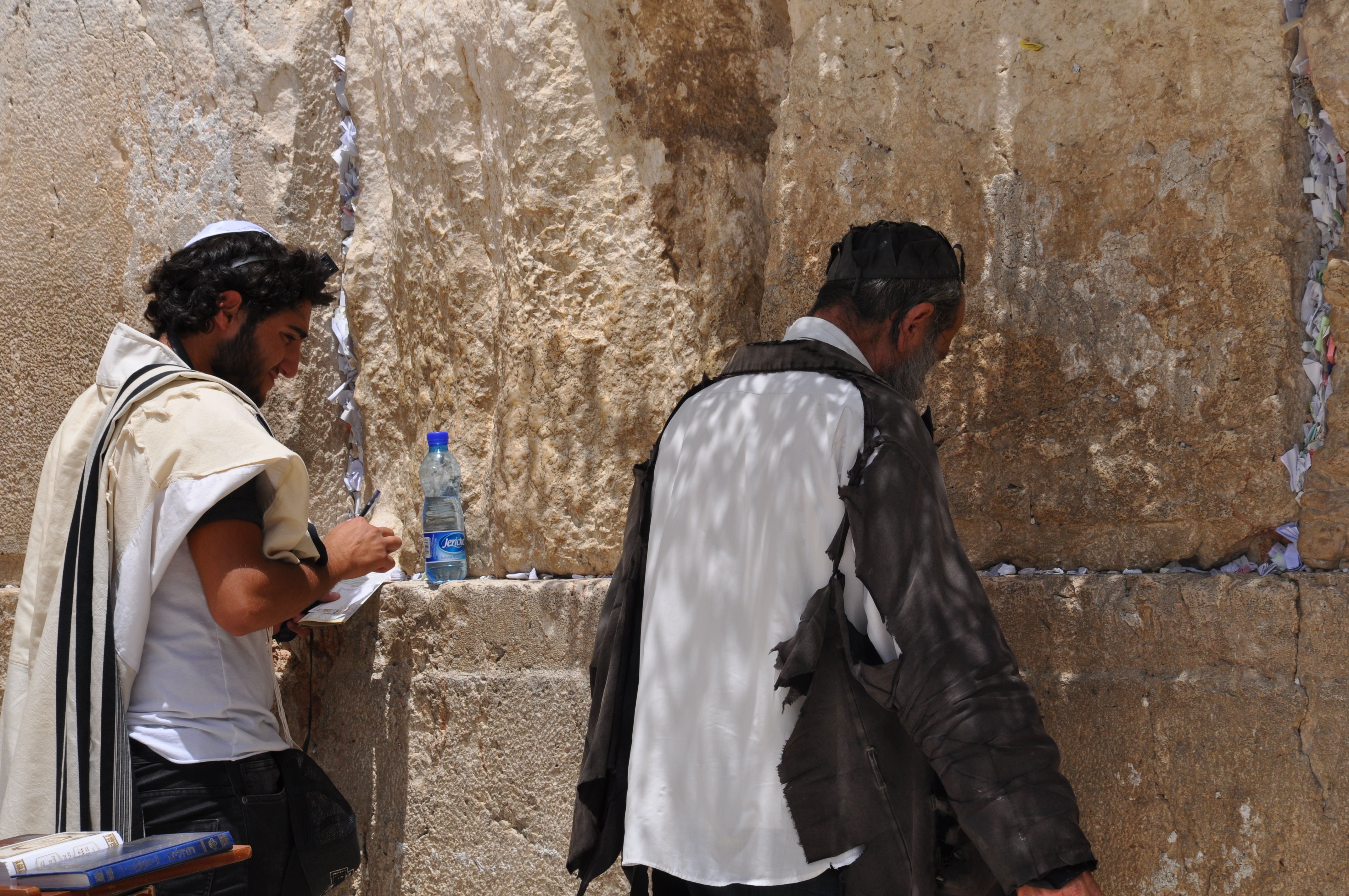
Western Wall Jerusalem Temple Ruins
Jesus' Prophecy about the destruction of the Jerusalem temple of God - bible verses
And as some spake of the temple, how it was adorned with goodly stones and gifts, he said,
As for these things which ye behold, the days will come, in the which there shall not be left one stone upon another, that shall not be thrown down.
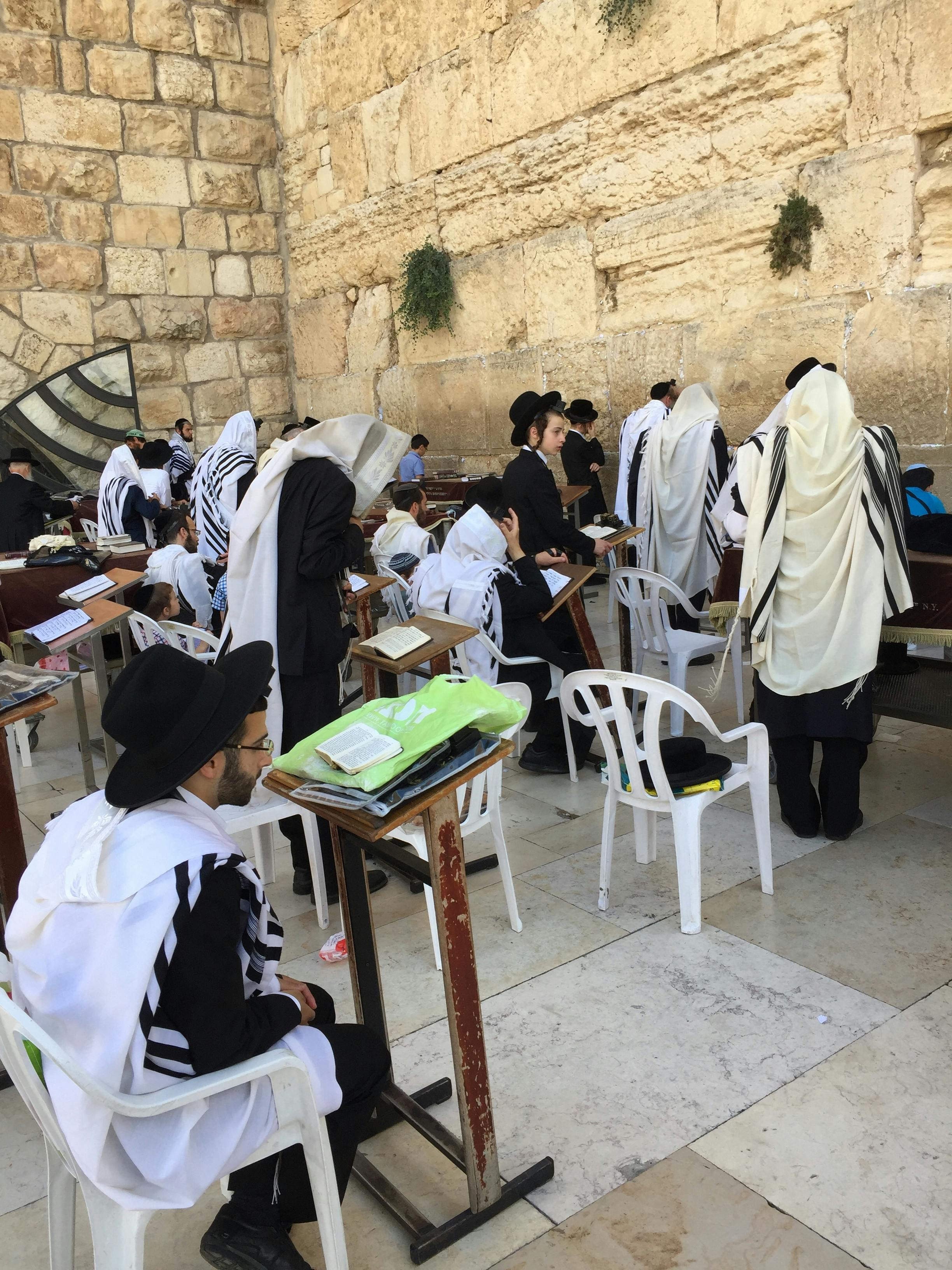
Western Wall Jerusalem Temple Ruins
Josephus on the AD70 destruction of the Temple
In his detailed account in The Jewish War, the historian Flavius Josephus described the destruction of the Second Temple in AD 70 as a catastrophic event driven by a mix of human "madness," Roman military fury, and divine will. He fundamentally argued that the Temple fell because it had been "polluted" by the blood of the Jewish factions fighting within it, rendering it unfit for God to inhabit. [1, 2, 3, 4]
Key Aspects of the Destruction according to Josephus:
- The Cause of the Fire: Josephus claimed that Titus, the Roman commander, actually wanted to preserve the Temple as an "ornament" for the empire. However, during a chaotic skirmish, a soldier "moved by some supernatural impulse" hurled a torch through a golden window on the north side, starting the blaze against Titus's explicit orders.
- Complete Leveling: After the fire, Josephus wrote that Titus ordered the entire city and Temple to be razed to the ground. He noted that the demolition was so thorough that someone visiting later would not believe the site had ever been inhabited.
- Survival of Specific Structures: Only the three highest towers (Phasaelus, Hippicus, and Mariamne) and a portion of the western wall were left standing. Josephus stated these were spared to show future generations how strong the city's fortifications were and to provide a garrison for the Roman troops.
- Divine Timing and Omens: Josephus highlighted that the Temple was destroyed on the 10th of the month Lous (Av), the exact same day the First Temple was burned by the Babylonians centuries earlier. He also listed several supernatural omens that preceded the fall, including a star resembling a sword and the Temple's massive eastern gate opening by itself. [1, 5, 6, 7, 8, 9, 10, 11, 12, 13, 14]
Internal Conditions
Josephus described the "miseries" inside the city during the siege, noting that more people died from famine and internal civil war among Jewish factions than from the Romans themselves. He estimated the total death toll at 1.1 million, though modern scholars often consider this number exaggerated. [5, 15, 16, 17]
AI Overview - Ruins of the temple
The ruins of the Temple in Jerusalem from the AD 70 destruction are among the most significant archaeological and historical remnants in the world. Following a five-month siege, Roman forces under General Titus destroyed the Second Temple in August/September of 70 CE, leaving only fragments of the massive retaining walls, now known as the Western Wall (Kotel). [1, 2]
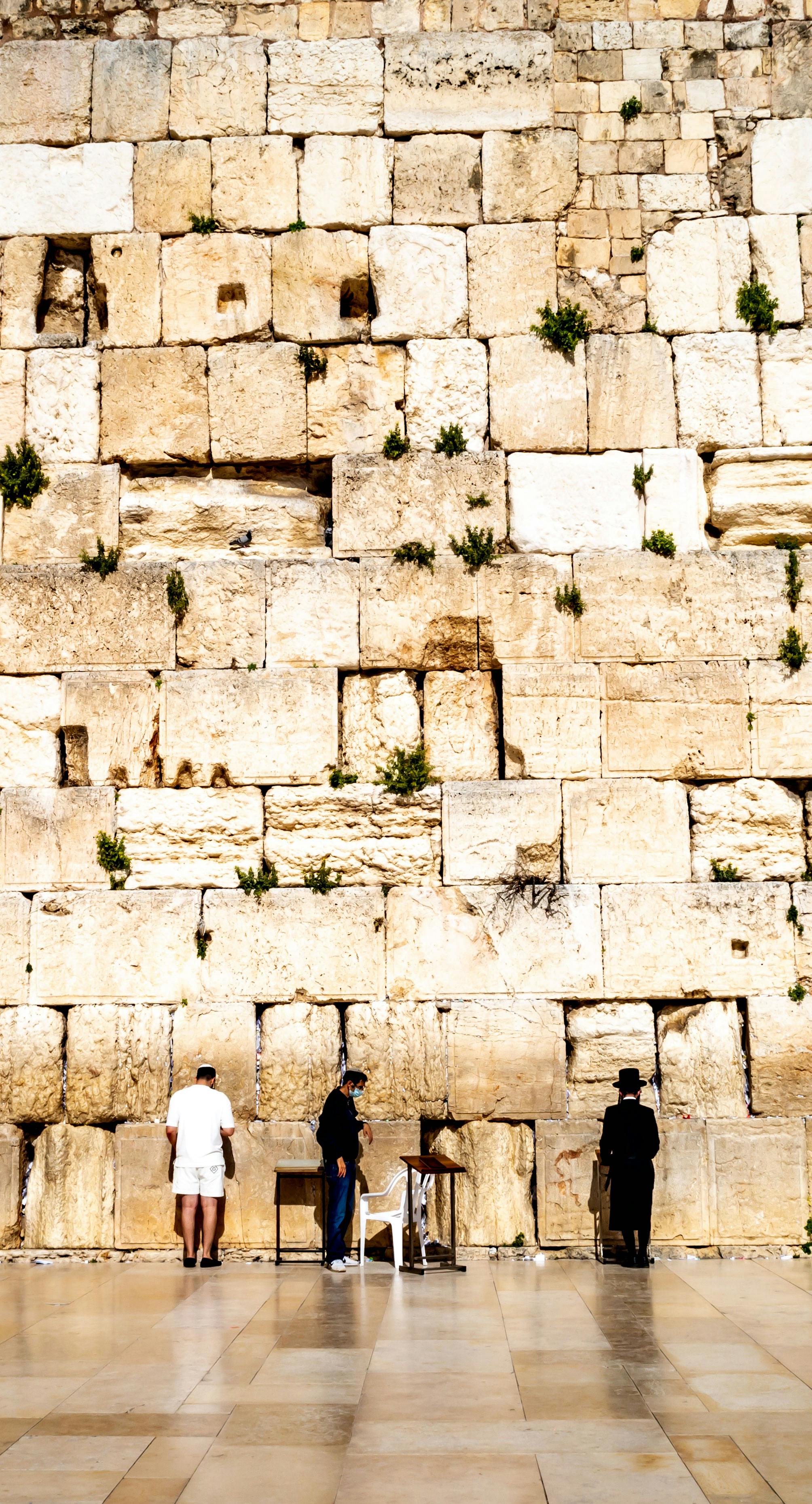
Western Wall Jerusalem Temple Ruins
Here are the key aspects of the ruins from the AD 70 destruction:
- Purpose: The remaining "Western Wall" was not part of the Temple building itself, but a portion of the massive outer retaining walls built by King Herod the Great to expand the Temple Mount plaza.
- Survival: Romans razed the city and temple entirely, sparing only the three towers of Herod's citadel and sections of the western wall to showcase the strength of the fortification they had overcome.
- Significance: Because the Western Wall was the closest accessible site to the Holy of Holies, it became the primary place of Jewish prayer and mourning. [1, 2, 3, 4]
2. Physical Evidence of Destruction
- Ash and Rubble: Archaeological excavations, particularly near [Robinson's Arch] and in the [City of David], have revealed thick layers of ash and charred remains dating to 70 CE, confirming the massive fire that consumed the city.
- Fallen Stones: Massive, intentionally toppled Herodian stones have been discovered at the base of the Western Wall. These stones were hurled down by Roman soldiers from the top of the Temple platform.
- The [Burnt House]: An excavation in the Upper City revealed a house belonging to a priestly family (Kathros family) burned during the destruction. It contained cooking tools, pottery, and the bones of a young woman, providing a vivid glimpse into the final days of the siege. [1, 2, 3, 4]
3. Key Archaeological Discoveries
- Temple Warning Inscriptions: Two Greek inscriptions prohibiting Gentiles from entering the sacred inner courts were found. These are some of the few surviving items from the Temple area.
- Drainage Channel Secrets: Excavations beneath the Temple Mount found a sewage system/drainage channel filled with, among other things, a cooking pot and a 70 CE coin, believed to be the path used by Jewish rebels to flee or hide.
- "Judaea Capta" Coins: Following the destruction, the Romans minted coins featuring a mourning woman under a palm tree (Judea) and the inscription "Judaea Capta" (Judaea has been conquered).
4. Other Remains
- [Robinson's Arch]: The remains of a massive stone arch that once supported a staircase leading from the lower city up to the Temple Mount are still visible on the southwestern side.
- [Hulda Gates]: Parts of the southern gates that were used as entrances to the Temple complex still exist.
- [The Little Western Wall]: Another small, uncovered portion of the western retaining wall located in the Muslim Quarter.
The destruction was so total that the Temple Mount was left largely in ruins until the 7th-century construction of the Dome of the Rock. The destruction is commemorated annually on Tisha B'Av, with the [Arch of Titus] in Rome depicting the menorah from the Temple being paraded as plunder
More archeological evidence of the temple ruins
While Josephus provided the narrative for the fall of Jerusalem, physical archaeology and the Arch of Titus offer tangible proof of the scale of that destruction. [1]
Archaeological Evidence in Jerusalem
Excavations around the Temple Mount have uncovered layers of debris that perfectly align with Josephus's accounts of AD 70. [2, 3, 4]
- The Fallen Stones: At the base of the Western Wall, near Robinson's Arch, archaeologists found massive Herodian stones that were clearly pushed off the Temple platform by Roman soldiers. These stones crushed the 1st-century paved street below, leaving deep indentations that are still visible today.
- The Burnt House: Located in the Jewish Quarter, the Burnt House belonged to a high-priestly family. Excavators found it covered in a thick layer of soot and ash, containing a Roman spear and the skeletal remains of a young woman's arm, evidence of the final fiery battle.
- The Trumpeting Place Stone: A cornerstone found at the southwestern corner bears a Hebrew inscription: "To the place of trumpeting...". This marks the exact spot Josephus described where priests signaled the start of the Sabbath, confirming the Temple's specific architectural features.
- Drainage Channels: Hidden tunnels beneath the city streets, such as the one leading from the Siloam Pool, contained cooking pots, coins, and even a Roman sword. These confirm Josephus’s claim that Jewish rebels used the city's sewer system as a final, desperate hiding place. [3, 5, 6, 7, 8]
The Arch of Titus in Rome [9]
Built in c. 81 AD by Emperor Domitian to honor his brother, the Arch of Titus stands at the entrance to the Roman Forum as a permanent victory monument. [1, 10]
- The Spoils of War: The most famous relief panel depicts the triumphal procession of AD 71. It clearly shows Roman soldiers carrying the sacred treasures of the Temple, including the Golden Menorah, the Table of Showbread, and the Silver Trumpets.
- Historical Accuracy: This is considered the most accurate contemporary visual record of these Temple objects, and the arch's depiction of the Menorah was used as the model for the modern Emblem of Israel.
- Symbolic Reversal: For centuries, many Roman Jews refused to walk under the arch. In a historic reversal on May 15, 1948—the day Israel was founded—members of the Jewish community marched through the arch in the opposite direction of the original procession to symbolize their return to their homeland. [1, 10, 11, 12, 13]
The Western Wall Tunnels reveal the engineering genius of Herod the Great, featuring massive "Master Course" stones and precision-cut ashlars. In Rome, the triumphal route followed by Titus in AD 71 processed through the city's most sacred spaces, culminating at the Temple of Jupiter, the Romans' demon god. [1, 2, 3, 4]
Herodian Architecture in the Tunnels
The excavations beneath the Old City of Jerusalem expose the foundational levels of the Temple Mount, showcasing a scale of construction that was unparalleled in the ancient world. [5, 6]
- Herodian Ashlars: These are massive limestone blocks carved with a distinctive marginal draft—a decorative recessed border. The central part, or "boss," is smoothed flat, creating a frame-like effect that allows for identifying Herodian work at a glance.
- The Master Course: This is a row of exceptionally large stones used to stabilize the retaining wall. The largest, known as the Western Stone, is one of the heaviest objects ever moved by humans without powered machinery, weighing approximately 570 to 660 tons.
- Precision and Stability: The stones were laid in "dry courses" without mortar. To ensure the wall's stability against the massive pressure of the earth behind it, each successive layer was set back by about one inch (2-3 cm) from the one below.
- Wilson's Arch: Located inside the tunnels, this is the largest original arch of its kind, which once supported a bridge leading directly into the Temple complex. [1, 2, 7, 8, 9, 10, 11, 12, 13, 14]
The Romans' Triumphal Procession Route (AD 71)
The triumph of Vespasian and Titus was a grand, meticulously planned event designed to celebrate the Flavian dynasty’s victory over Judea. [15, 16]
Campus Martius
The procession began outside the city's sacred boundary (the pomerium), where the generals awaited Senate approval.
Porta Triumphalis
The parade entered the city through the Triumphal Gate, a ceremonial portal used only for these specific occasions.
The procession circled through this massive arena, where tens of thousands of spectators cheered as the spoils of the Jerusalem Temple—including the Menorah—were paraded past.
The route then moved along the "Sacred Way," passing the spot where the Arch of Titus now stands.
The parade marched through the political heart of the city, flanked by government buildings and temples.
The final ascent led to the Temple of Jupiter Optimus Maximus, where the victors offered sacrifices to Rome's patron demon god. [3, 4, 16, 17, 18, 19, 20, 21]
[14] https://www.gov.il
Conclusion
Jesus' prophecy was fulfilled with amazing historical and archeological evidence to support His foreknowledge. He is God. Confess and turn away from your sins, believe in Him for salvation and live the righteous life in order to be counted worthy of eternal life.


No comments:
Post a Comment