How Jesus' Parable Of The Fig Tree Timeline Was Fulfilled
Meta Description
Discover How Jesus' parable of the fig tree timeline was fulfilled by mapping it with a clear, historically grounded timeline of the major events leading to the destruction of Jerusalem in AD 70. We cover the key periods from the Roman takeover of the war in AD 70 to destruction of the Temple) spans Spring to early Fall AD 70.
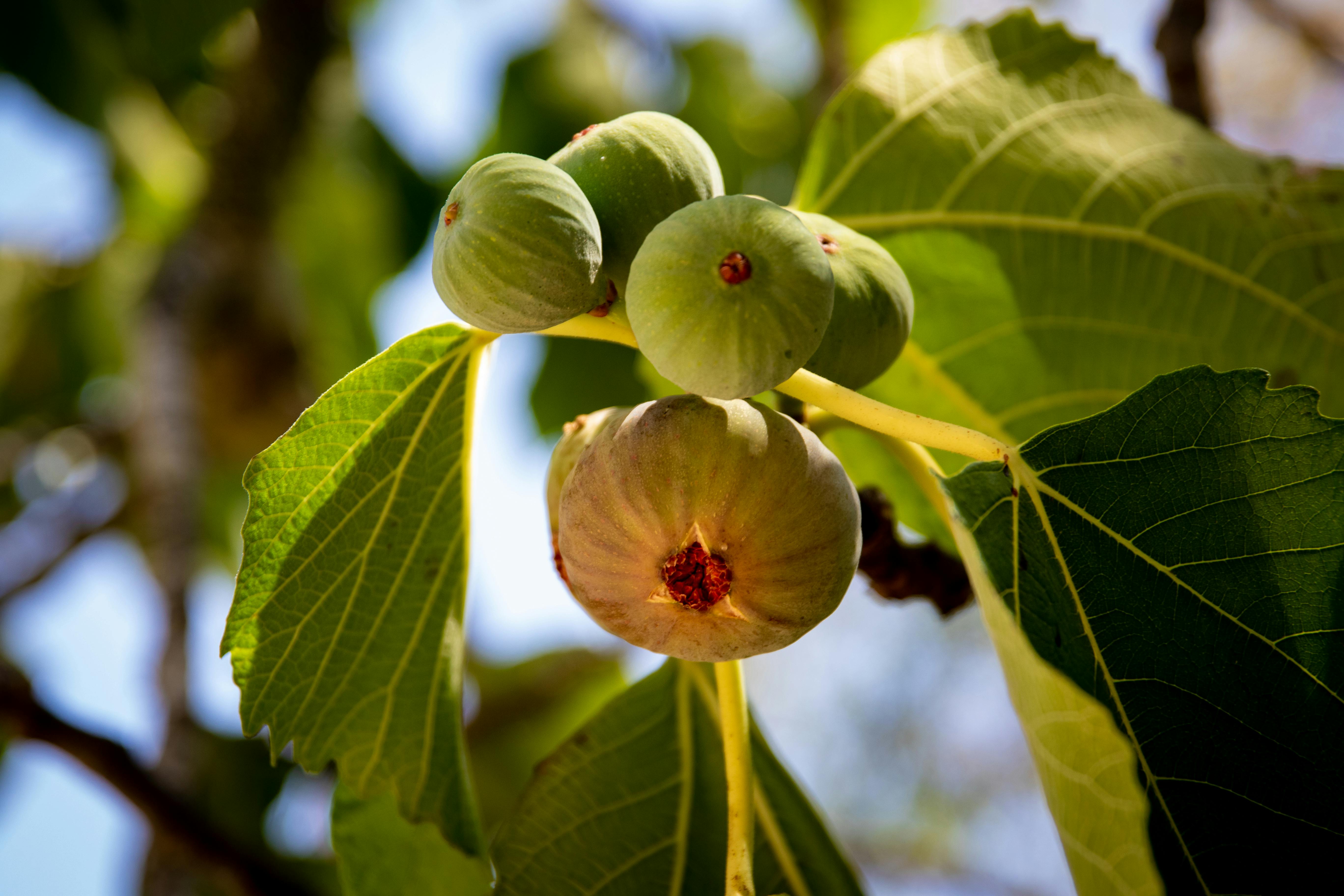
Introduction to Jesus' Parable of the Fig Tree
Jesus gave the Parable of the Fig Tree to reveal the timeline of the imminent destruction of Jerusalem which was fulfilled in AD70. He led up to the parable by revealing that not one stone of the temple would be left standing.
When the disciples asked for the time and signs preceding that event, He gave a number of signs, including that of the siege, then the specific timeline in the Parable of the Fig Tree.
Jesus said that the destruction would be imminent between Spring to Fall:
And Jesus went out, and departed from the temple: and his disciples came to him for to shew him the buildings of the temple.
Mat 24:2
And Jesus said unto them, See ye not all these things? verily I say unto you, There shall not be left here one stone upon another, that shall not be thrown down.
Mat 24:3
And as he sat upon the mount of Olives, the disciples came unto him privately, saying, Tell us, when shall these things be? and what shall be the sign of thy coming, and of the end of the world?...
When ye therefore shall see the abomination of desolation, spoken of by Daniel the prophet, stand in the holy place, (whoso readeth, let him understand:)
For wheresoever the carcase is, there will the eagles (double headed eagle of the Roman Empire Coat of Arms) be gathered together.
32 Now learn a parable of the fig tree; When his branch is yet tender, and putteth forth leaves, ye know that summer is nigh:
33 So likewise ye, when ye shall see all these things, know that it is near, even at the doors.
34 Verily I say unto you, This generation shall not pass, till all these things be fulfilled.
35 Heaven and earth shall pass away, but my words shall not pass away.
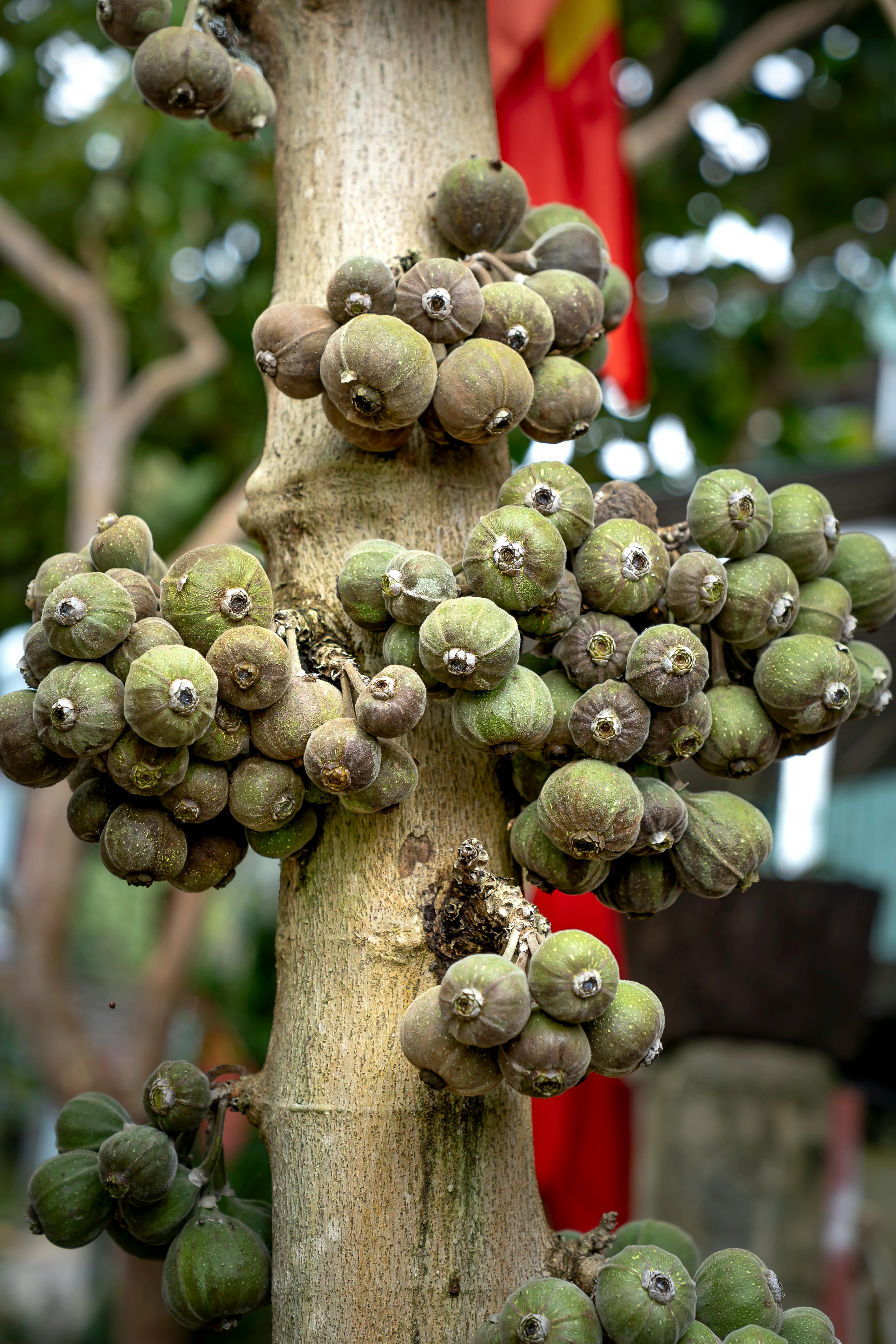
Fig Tree Growth Cycle
Fig tree growth cycle begins in Spring and culminates in Fall/Autumn. Here is the clue in Jesus' prophecy:
When his branch is yet tender, and putteth forth leaves, ye know that summer is nigh:
Fig Tree Seasonal Growth Cycle
Dormancy (Winter): The tree loses leaves and rests. Tiny, immature breba figs may be visible at branch tips, surviving the winter.
Bud Break & Early Growth (Spring): As temperatures rise (late April), the tree wakes up. Leaves develop, and the breba crop begins to swell.
Main Crop Formation (Early Summer): New shoots grow rapidly. Small, pea-sized figs form at the leaf axils (where the leaf meets the branch).
Fig Tree Fruit Development
(Mid-Summer):Stage 1 (Rapid Growth): Fruit grows quickly for about 30 days.
Stage 2 (Stagnant Phase): The figs stop growing visibly for 3-8 weeks, depending on the variety.
Stage 3 (Ripening): Figs swell dramatically and change color in 3-5 weeks.
Harvest (Late Summer/Fall): Main crop figs ripen and are ready to eat. The neck wilts and the fruit bends over.
Leaf Fall (Late Fall): Leaves turn yellow and drop as the tree enters dormancy.
🌿 I. Background: Brief Synopsis Of The War That Destroyed Jerusalem (AD 66–69)
AD 66 — Jewish revolt begins after abuses by Roman procurator Florus. Jewish rebels defeat the XII Legion and take Jerusalem. historytools.org
AD 67–68 — Roman army general Vespasian systematically reconquers Galilee and Judea. Jewish historian Josephus is captured and becomes an advisor/interpreter to the Romans.
AD 69 —Roman Emperor Nero dies and this becomes the Year of Four Emperors. Vespasian is proclaimed emperor and leaves Judea for Rome. He appointed his son Titus to finish the war. Josephus.org
🛡️ II. Titus Takes Command & Moves on Jerusalem (Winter 69/70)
Winter AD 69/70 — Titus assembles 48,000+ troops (four legions + auxiliaries) and marches toward Jerusalem. Wikipedia
Jerusalem is swollen with refugees and torn by internal civil war between John of Gischala, Simon bar Giora, and Eleazar ben Simon. Food stores are burned in factional fighting. Wikipedia
🕎 III. The Siege of Jerusalem (April → September AD 70)
👉This Is Where The Fig Tree Parable Was Fulfilled.
Josephus gives the most detailed account. The siege lasted about 5 months.
Jewish Calendar Alignment for AD 70
- Spring Equinox AD 70 = intercalated day
- Day 1 of Year 6001 = day after the equinox
The Spring Equinox in AD 70 fell around March 20 (Julian).
Thus:
- 1 Nisan (Abib) 6001 ≈ March 21, AD 70
- Passover (14 Nisan) ≈ April 3–4, AD 70
- Siege begins just after Passover, fulfilling Jesus' prophecy about the time that fig trees begin to bud.
🔥 IV. Month‑by‑Month Timeline (Josephus + Calendar)
MARCH 70 (≈ Nisan 1–10)
- Titus arrives and positions legions around the city.
- Romans cut off escape routes and begin encirclement Josephus.org.
- Jesus' prophecy about armies surrounding Jerusalem is fulfilled - Luke 21:20 And when ye shall see Jerusalem compassed with armies, then know that the desolation thereof is nigh.
APRIL 70 — Siege Begins (≈ Nisan 14 / Passover)
- 13 April AD 70 — Romans begin the formal siege. Wikipedia
- Passover pilgrims are allowed into the city but not allowed to leave, worsening food shortages. Britannica
- Jewish factions continue fighting inside the city.
MAY 70 (≈ Iyar)
- Romans build siege banks; Jews launch fierce counterattacks.
- Titus suffers several near‑disasters due to rebel ambushes (Josephus notes tactical errors). Josephus.org
JUNE 70 (≈ Sivan)
- Romans breach the First Wall, then the Second Wall.
- Fighting intensifies around the Antonia Fortress.
JULY 70 (≈ Tammuz)
- Romans capture the Antonia Fortress, gateway to the Temple.
- Titus attempts negotiations through Josephus; rebels refuse.

AUGUST 70 — DESTRUCTION OF THE TEMPLE (≈ Month of Av)
- 9 Av (traditional date) — Romans set fire to the Temple and destroy it. Josephus describes the flames, slaughter, and collapse of the sanctuary.
- This aligns with late July / early August AD 70. Wikipedia
SEPTEMBER 70 — FALL OF THE CITY (≈ Elul)
- Early September AD 70 — Remaining resistance collapses.
- Romans raze Jerusalem, leaving only Herod’s three towers and parts of the western wall. Wikipedia
🏛️ V. Aftermath (AD 71)
- Titus and Vespasian celebrate a triumph in Rome, parading Temple treasures (menorah, trumpets). Wikipedia
- Judaea Capta coins minted to commemorate the victory.
📅 VI. Condensed Timeline (Roman & Jewish Calendar)
| Event | Roman Date (AD 70) | Jewish Date (Year 6001) |
|---|---|---|
| New Year begins | March 21 | 1 Nisan |
| Passover | April 3–4 | 14 Nisan |
Siege begins | April 13 | ~23 Nisan |
First & Second Walls fall | May–June | Iyar–Sivan |
Antonia Fortress taken | July | Tammuz |
Temple destroyed | Late July–Early Aug | 9 Av |
City falls | Early September | Elul |
Conclusion
As you see, the Roman seige against Jerusalem culminated in the destruction of the Temple (9th Av) and the city later in September that year.
Just as Jesus prophesied in the Parable of the Fig Tree, the seige began in Spring AD70 (budding of the leaves) and culminated at the end of the summer:
32 Now learn a parable of the fig tree; When his branch is yet tender, and putteth forth leaves, ye know that summer is nigh:
33 So likewise ye, when ye shall see all these things, know that it is near, even at the doors.
The stunning accuracy and detail of Jesus' prophecy tell us that we can trust His Word. He is coming back again for those who believe in Him and live righteously.
Learn more about eternal life.


No comments:
Post a Comment